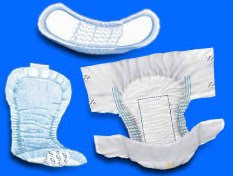
Type 2 diabetes, the most common form of diabetes, is a lifelong disease characterized by high levels of glucose in the blood. Those experiencing this disease face many additional challenges beyond diabetes itself. One of these challenges is the increased occurrence and severity of both fecal and urinary incontinence.
There are several aspects that connect diabetes and incontinence, but the increased incidence of obesity in diabetics can be considered the main cause. Increased weight, especially in the abdomen, places excessive strain on the muscles of the pelvic floor that control bladder function. This strain or pressure causes involuntary urine leakage, and this type of urinary incontinence is called stress incontinence. Any movements that increase pressure in the abdominal area such as coughing, sneezing, laughing, physical activity, etc. will cause the leakage of small amounts of urine.
Another factor linking diabetes to urinary incontinence is the effect diabetes may have on nerve function in the bladder. Damaged nerves can cause overactive bladder or urge incontinence. Urge incontinence is when the muscular wall in the bladder has a sudden contraction causing the urge to urinate and sometimes the loss of urine. Fast movements and activities likes sitting and standing can trigger urge incontinence. Nerve damage caused by diabetes may also cause a loss of bladder sensation and weakened pelvic floor muscles creating the inability to completely empty the bladder.
If a diabetic's muscles and nerves become too damaged and fail to ever cause bladder contractions, overflow incontinence will occur. With overflow incontinence the bladder never empties and continuously leaks. An early warning sign of the onset of overflow incontinence is a slow or timid stream of urine while using the restroom.
Other reasons why many diabetics develop fecal or urinary incontinence include:
* Constipation- Over half of those with diabetes experience constipation which makes it difficult to pass urine.
* High Blood Glucose Levels- Improperly controlled diabetes causes glucose in the blood to run very high. A person's body will attempt to eliminate the sugars through the urine causing a large amount of urine to be produced.
* Water Retention- Water held in a diabetic's lower body caused by coronary artery disease can increase the production of urine at night. This leads to frequent urination during the night and even bedwetting.
* Lack of Mobility- Diabetes can come with serious side effects that can decrease mobility. Amputation, vision deterioration, and deep pains in the limbs can prevent people from reaching the toilet in time causing urine leakage.
* Diabetic Medications- Some medications used to treat diabetes can have side effects that lend themselves to the onset of incontinence. These may cause weight gain, fluid retention, bladder nerve damage, and even incontinence itself.
To treat and control diabetes related fecal or urinary incontinence, the proper management of blood glucose levels must be maintained. Also, every step necessary must be taken to keep body weight in the normal range. A proper diet and exercise regime will not only help maintain a healthy body weight, but it can also help maintain healthy blood glucose levels as well. Pharmacological interventions may also be necessary to treat diabetes related incontinence.
Experts at a health care center or medical equipment supply company can help diabetics find the best hospital grade products to provide them with a discreet fit and proper protection level. They treat customers to personal customer service and are available continuously through toll free phone numbers, in stores or online. A few reputable health care centers and medical equipment supply companies also offer discreet incontinence supply home delivery programs. Customers save money by utilizing their sample programs and receive meaningful discounts for ordering their urinary incontinence products in volume. In addition, they also save time by having them delivered right to their doorstep each month.
About Binson's Home Health Care Centers
Binson's Home Health Care Centers began as Binson's Pharmacy in Center Line, Mich. during the 1950's and grew to the home health care center it is today. Currently, there are Binson's retail outlets in both Michigan and Florida. With continuously updated products and services and new locations, Binson's is destined for exceptional dynamic growth in home health care. For more information about incontinence products and programs call Binson’s at 888-246-7667 and ask for the IP Program, or visit: http://www.binsons.com/
Showing posts with label urinary incontinence. Show all posts
Showing posts with label urinary incontinence. Show all posts
Friday, March 26, 2010
Developing Incontinence with Diabetes

Monday, June 9, 2008
Incontinence Can't Stop You from Vacationing!!
Urge and stress incontinence follow you wherever you go.
By Jeanie Lerche Davis, WebMD Feature. Reviewed by Michael W. Smith, MD
A shopping spree in Milan, a hike in Ecuador, an island-hopping cruise. On vacation, you can escape most everyday hassles -- except incontinence. At every turn, it's unfamiliar territory. If you have an accident, what can you do?"Everyone who has incontinence has developed some coping strategies," says Roger Dmochowski, MD, a urologist and director of the Vanderbilt Continence Center in Nashville. "They do what they need to do. It's amazing how good some people are at estimating their bladder's problem."
"On vacation, there's much uncertainty, so absorbent incontinence pads are a must," says May Wakamatsu, MD, chief of Vincent Urogynecology at Massachusetts General Hospital." If you're in an exotic location, it's difficult to know where a restroom is. If you're going dancing and you know you leak a lot while dancing, you might wear them. Having good protection is best."
A bumpy plane ride is an accident waiting to happen. Who knows what else lies ahead on your trip? If you've tried to envision the possibilities -- and packed incontinence products -- you'll be fine.
Your Strategy for Handling Incontinence
- Book trips with care. "Always take an aisle seat," Dmochowski says. "Never take a middle seat in the middle of an airplane." Locate restrooms as soon as you're on board.
- Plan your wardrobe. Dark clothes won't show a stain. Bring multiple changes of clothes in case something happens. Be prepared to hand-wash clothing.
- Pack a separate suitcase with pads. If you need absorbent pads, it's best to take all your supplies with you. "You don't want to look for pads in the middle of the night in a strange city," says Dmochowski. Don't forget lots of undergarments.
- Remember disposable bags. You can stuff used incontinence pads in the bags, then dispose of them later.
- Carry a daypack. Everyone carries small backpacks -- and yours can hide extra pads, disposable underwear, towelettes, and plastic bags (to carry wet items).
- Pack tampons. A tampon can help prevent leaks from stress incontinence -- those triggered by laughing, coughing, exercise -- by putting pressure on the urethra. Even if you're not having a period, a tampon can help with incontinence.
- Consider a pessary. This is a removable device that helps support pelvic organs to prevent stress urinary incontinence that commonly occurs after childbirth. Your doctor can fit you for a pessary.
- Take incontinence medications. If you have a prescription for overactive bladder medications -- but don't take them regularly -- start before you leave home, Wakamatsu tells WebMD. "They start to take effect in the first 24 hours, and reach a good level in your bloodstream after three days."
Dmochowski advises starting medications five to seven days before leaving, to ensure the best protection. "That's the best use of the medication," he tells WebMD. "If you take it the week before vacation, you'll be fine." - Modify your fluid intake. Cutting back in fluids, especially caffeine and alcohol, really helps if you have urge incontinence, advises Wakamatsu. "A lot of people don't realize that caffeine is a diuretic," she tells WebMD.
- Dine carefully. Spicy foods can trigger accidents if you have urge incontinence. So can acidic foods, including citrus fruits and juices and tomatoes. Enjoy the local cuisine, but choose carefully.
- Practice Kegel exercises in the car or on the plane. These exercises can help manage leakage. You learn to feel the pelvic muscle that controls the bladder -- then tighten that muscle at the instant a leak might occur. "You have to do them regularly to keep pelvic muscles tight," says Wakamatsu. To do Kegels, contract the muscles that you would use to stop the flow of urine. Hold the contraction for three seconds and then relax. Do this eight to 10 times, at least three times a week.
http://www.webmd.com/urinary-incontinence-oab/coping-08/vacation-tips © 2007 WebMD, Inc. All rights reserved.
Where can I order my Adult Diapers with discrete shipping?
You can order them online at www.binsons.com or contact one of our customer service representatives at (888)-246-7667.
To the best of our knowledge, the information contained herein is accurate. However, neither Binson's, or any of its subsidiaries assumes any liability whatsoever for the accuracy or completeness of the information contained herein. This information is for educational purposes only.
Subscribe to:
Posts (Atom)