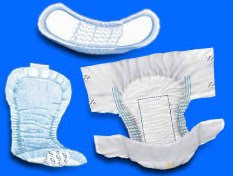
Type 2 diabetes, the most common form of diabetes, is a lifelong disease characterized by high levels of glucose in the blood. Those experiencing this disease face many additional challenges beyond diabetes itself. One of these challenges is the increased occurrence and severity of both fecal and urinary incontinence.
There are several aspects that connect diabetes and incontinence, but the increased incidence of obesity in diabetics can be considered the main cause. Increased weight, especially in the abdomen, places excessive strain on the muscles of the pelvic floor that control bladder function. This strain or pressure causes involuntary urine leakage, and this type of urinary incontinence is called stress incontinence. Any movements that increase pressure in the abdominal area such as coughing, sneezing, laughing, physical activity, etc. will cause the leakage of small amounts of urine.
Another factor linking diabetes to urinary incontinence is the effect diabetes may have on nerve function in the bladder. Damaged nerves can cause overactive bladder or urge incontinence. Urge incontinence is when the muscular wall in the bladder has a sudden contraction causing the urge to urinate and sometimes the loss of urine. Fast movements and activities likes sitting and standing can trigger urge incontinence. Nerve damage caused by diabetes may also cause a loss of bladder sensation and weakened pelvic floor muscles creating the inability to completely empty the bladder.
If a diabetic's muscles and nerves become too damaged and fail to ever cause bladder contractions, overflow incontinence will occur. With overflow incontinence the bladder never empties and continuously leaks. An early warning sign of the onset of overflow incontinence is a slow or timid stream of urine while using the restroom.
Other reasons why many diabetics develop fecal or urinary incontinence include:
* Constipation- Over half of those with diabetes experience constipation which makes it difficult to pass urine.
* High Blood Glucose Levels- Improperly controlled diabetes causes glucose in the blood to run very high. A person's body will attempt to eliminate the sugars through the urine causing a large amount of urine to be produced.
* Water Retention- Water held in a diabetic's lower body caused by coronary artery disease can increase the production of urine at night. This leads to frequent urination during the night and even bedwetting.
* Lack of Mobility- Diabetes can come with serious side effects that can decrease mobility. Amputation, vision deterioration, and deep pains in the limbs can prevent people from reaching the toilet in time causing urine leakage.
* Diabetic Medications- Some medications used to treat diabetes can have side effects that lend themselves to the onset of incontinence. These may cause weight gain, fluid retention, bladder nerve damage, and even incontinence itself.
To treat and control diabetes related fecal or urinary incontinence, the proper management of blood glucose levels must be maintained. Also, every step necessary must be taken to keep body weight in the normal range. A proper diet and exercise regime will not only help maintain a healthy body weight, but it can also help maintain healthy blood glucose levels as well. Pharmacological interventions may also be necessary to treat diabetes related incontinence.
Experts at a health care center or medical equipment supply company can help diabetics find the best hospital grade products to provide them with a discreet fit and proper protection level. They treat customers to personal customer service and are available continuously through toll free phone numbers, in stores or online. A few reputable health care centers and medical equipment supply companies also offer discreet incontinence supply home delivery programs. Customers save money by utilizing their sample programs and receive meaningful discounts for ordering their urinary incontinence products in volume. In addition, they also save time by having them delivered right to their doorstep each month.
About Binson's Home Health Care Centers
Binson's Home Health Care Centers began as Binson's Pharmacy in Center Line, Mich. during the 1950's and grew to the home health care center it is today. Currently, there are Binson's retail outlets in both Michigan and Florida. With continuously updated products and services and new locations, Binson's is destined for exceptional dynamic growth in home health care. For more information about incontinence products and programs call Binson’s at 888-246-7667 and ask for the IP Program, or visit: http://www.binsons.com/
Friday, March 26, 2010
Developing Incontinence with Diabetes

Wednesday, March 10, 2010
Tips for Traveling with Incontinence
Lounging on a beach towel under the warm sun while admiring children as they construct sand castles and listening to the ocean waves crash against each other illuminates the most relaxing vacation. The main objective of taking a vacation after all is to get in some much needed relaxation. The last thing anyone needs is to be worried about finding the closest restroom while in the midst of being at beaches, museums, amusement parks, or traveling to the destination.
For the 25 million Americans who experience urinary incontinence, traveling on planes, trains, or in cars is possible with the help of many incontinence products. Urine leakage always seems to happen at the worst possible time, and learning to manage it while traveling will prevent a stressful vacation.
Planning a vacation is time consuming especially when planning around incontinence. Having incontinence products shipped via a free home delivery program is a time-saving and cost-effective method when preparing a trip. The incontinence products are delivered right to your door each month saving you the hassle of rushing out to the store when your supply is low.
The following is a list of tips and advice for how to manage incontinence while traveling:
Transportation:
* While traveling on planes or trains make sure to sit in an aisle seat to easily access the bathrooms when needed. Sitting in an aisle seat will prevent moving in front of other passengers every time nature calls. In case urine leakage causes stains or odor, an aisle seat can also provide more confidence when sitting in a confined space for a long time.
* Planes and trains have limited waste disposal facilities which cause difficulties disposing incontinence products. Wearing a product designed for maximum protection such as protective underwear can retain greater amounts of urine leakage and control odor for lengthy plane and train commutes.
* Automobiles are a convenient mode of transportation when experiencing incontinence since rest areas are more prevalent along major highways and interstates. Having a GPS system in the automobile is essential. It provides a list of restaurants, gas stations, and other points of interest which, in turn, will give directions to the closest location for a bathroom.
Diet:
* Paying close attention to food and liquid intake while traveling can manage incontinence easier. Limit intake of salty snacks, alcohol, caffeine, and don't drink anything three to four hours prior to sleeping.
* Also, a person's understanding of which types of foods and liquids stimulate their incontinence and which foods alleviate incontinence is helpful to get the most out of every minute in paradise.
Travel Kit:
A travel kit should include:
* Plastic bags with twisty ties for clean and easy disposal
* Hand wipes and antibacterial cleansing products
* Include a variety of incontinence products:
o Pads and liners for the lightest urinary leakage (small enough to fit in purses and briefcases)
o Incontinence pants for the light to moderate urinary leakage when used with pads and liners
o Protective underwear (also known as adult pull-ups) for moderate to heavy urinary leakage
o Adult diapers for maximum urinary leakage protection
o Extra undergarments, pants, and outer clothes
o Travel soap bars and disposable wash clothes
o Organizing these items into a small duffel bag or a backpack makes it easier to travel. It's small enough to be used as a carry-on luggage on airplanes or to fit in the luggage compartment on a train or bus.
Plan Ahead:
* Whether traveling en-route to your destination or relishing the sights and sounds of the vacation, plan bathroom breaks every 20 to 30 minutes following meals.
* When visiting tourist attractions look at a map or ask guides for the location of the restrooms in case a get-a-way is needed. Since the incontinence travel pack is easily accessible, returning to the enjoyment of the expedition is quick and effortless.
* Since a person's daily routine of diet and exercise is changed while traveling, keeping a record of blood pressure and cholesterol is vital for good health and a preventative measure against the occurrence of incontinence.
Living with incontinence is simple and trouble-free if knowing how to manage and control the urinary leakage. With all the variety of incontinence products available, traveling can be more effortless than ever before. Worry about having fun on vacation, and don't worry about incontinence.
About Binson's Home Health Care Centers
Binson's Home Health Care Centers began as Binson's Pharmacy in Center Line, Mich. during the 1950's and grew to the home health care center it is today. Currently, there are Binson's retail outlets in both Michigan and Florida. With continuously updated products and services and new locations, Binson's is destined for exceptional dynamic growth in home health care. For more information about incontinence products and programs call Binson’s at 888-246-7667 and ask for the IP Program, or visit: http://www.binsons.com/
Thursday, February 25, 2010
African American Women and Urinary Incontinence
According to a University of Michigan Health Systems study conducted in 2008, African American women experience urinary incontinence less than half as often as Caucasian women. However, the study found that when incontinence does occur, the condition is usually worse than in white women. Black women experience a heavier flow of urine leakage during each occurrence of incontinence, sometimes to the point of noticeable wetting of their pants compared to only one third of white women.
The medical community has always believed that African American women don't experience stress incontinence, or urine leakage during exercise, coughing, laughing or any activity that increases pressure in the abdominal area. Those with stress urinary incontinence have inadequate strength of the pelvic floor muscles. The U of M study proved otherwise. Black women do experience stress urinary incontinence, but may not have been diagnosed because of the common held belief that they don't.
The study also found that African American women experience urge incontinence twice as often as Caucasian women. Urge incontinence, also known as overactive bladder, is characterized by the sudden contraction of the bladder's muscular wall causing the urgency to use the bathroom and involuntary urine leakage. Fast movements often trigger urge incontinence and it can be acquired as a result of pregnancy.
In the past doctors also believed that the medical conditions that influence the occurrence of urinary incontinence are different between black and white women. The U of M study found that this is not the case. Those conditions, such as constipation, diabetes, obesity, chronic lung disease and depression were found to be the same in both races and cause urinary incontinence to occur at comparable rates between the two.
Numbers from the University of Michigan Health Systems study:
* The study included over twenty eight hundred African American and Caucasian women from three southeastern Michigan counties
* 27 percent of the women surveyed experienced moderate urinary incontinence
* Of these women experiencing moderate urinary incontinence, 14.6 percent were African American women and 33.1 percent were Caucasian women
* 25 percent of black women with moderate incontinence experience stress incontinence compared to 39 percent of white women
* 24 percent of black women with moderate incontinence experience urge incontinence compared to 11 percent of white women- 51 percent had a combination of both stress and urge incontinence
* The ages of women in the study ranged from 35 to 64 years old. The average age was 42 and around 70 percent had delivered at least one child vaginally
Overall, the study demonstrates that in the moderate category white women have significantly higher incidences of incontinence; black women may experience incontinence less often but at a higher severity. The study also showed that African American women have higher incidences of urge incontinence and that Caucasian women have higher incidences of stress incontinence.
Regardless of your frequency and level of bother, managing urinary incontinence is made easier than ever before. New gender specific products have become recently available in hospital grade protection. Health care centers and medical equipment supply companies can provide you with a discreet fit and the proper protection level. Products, in ascending protection level, that help you manage urinary incontinence include: pads and liners; incontinence pants paired with a pad or liner; underwear, also known as pull-ups; and briefs, commonly known as adult diapers. A reputable health care center and medical equipment supply company will treat you to personal customer service to help tailor your product purchases to your unique situation. They are available continuously through toll free phone numbers, in stores or online.
A few health care centers and medical equipment supply companies also offer discreet incontinence supply home delivery programs. You save money by utilizing their "try-before-you-buy" sample programs and receive meaningful discounts for ordering your urinary incontinence products in volume. In addition, you also save time by having them delivered right to your doorstep each month.
Understanding your condition and the wide variety of products used to manage urinary incontinence is empowering. Stay active and feel confident knowing there are a wide range of hospital grade protection choices. The sooner you find the protection right for you, the sooner you can get on with your life.
About Binson's Home Health Care Centers
Binson's Home Health Care Centers began as Binson's Pharmacy in Center Line, Mich. during the 1950's and grew to the home health care center it is today. Currently, there are Binson's retail outlets in both Michigan and Florida. With continuously updated products and services and new locations, Binson's is destined for exceptional dynamic growth in home health care. For more information about incontinence products and programs call Binson’s at 888-246-7667 and ask for the IP Program, or visit: http://www.binsons.com/
How Can I Take Better Care of My Loved Ones Experiencing Incontinence?
Each February everyone puts a lot of effort into demonstrating their feelings towards their loved ones. They make or buy gifts, plan special excursions and recommit their lives to each other. They act in such a way that makes their special someone feel loved, cared for and cherished. Some people though, will argue that this demonstration of affection toward loved ones shouldn't just occur during February but should happen all year long as well. Caregivers and family members of people experiencing incontinence are constantly striving to provide the best care for their loved ones to demonstrate their affection. However, as many know, caring for their loved one's unique incontinence situation can be difficult.
Incontinence is not uncommon. Urinary incontinence affects more than 200 million people worldwide and nearly 25 million American adults are currently experiencing temporary or chronic urinary incontinence. According to the National Association for Incontinence (NAFC), incontinence characteristically affects more women than men. In fact, one out of four women and one out of eight men experience incontinence.
Enhancing the quality of care you are providing your loved ones experiencing incontinence means improving the quality of control with the right products and right fit at the best price. Here are three ways that can help you demonstrate your affection towards your loved ones experiencing incontinence by ramping up the quality of your care.
1. Buy hospital grade incontinence care products to keep your loved one comfortable.
Hospital grade incontinence care products are far superior to the products that you can buy at a local superstore. These products are better quality and can increase your assurance in managing your loved one's incontinence. They provide the highest level of protection, superior odor protection, the best fit, and the latest technology to quickly draw wetness caused by urinary incontinence away from your loved one's body. With hospital grade products you can be sure that your loved one will remain dry and comfortable all day long.
2. Buy from a knowledgeable home health care center or medical equipment supply company.
Highly regarded home health care centers and medical equipment supply companies focus on ongoing personalized management for your loved one's unique urinary incontinence situation. They can provide personal support over the phone, online and in the store to find the best incontinence care products for your loved one. Briefs, protective underwear, pads and liners are available in gender specific fits and an array of sizes and protection levels. Home health care centers and medical equipment supply companies can offer insight to customize incontinence care products for your loved one. They can also recommend products that are easy to get on and to change, improving the ease of care. Their knowledge can enhance quality of life for individuals dealing with incontinence and can help caregivers and families provide more supportive care.
3. Enroll in a home delivery program to save money and time.
Experienced home health care centers and medical equipment supply companies can connect you with money and time saving options that other stores cannot. The best offer discreet home delivery programs that can supply caregivers and family members with the convenience of on-time supplies at their doorstep with a range of cost effective savings plans. These programs allow you to order the highest quality products in bulk. After all, buying and ordering incontinence care products should not have to take precious time away from spending moments with your loved ones.
Demonstrate your feelings towards your loved one experiencing incontinence all year long through providing them the best care and incontinence care products possible. Seek the help from a knowledgeable home health care center or medical equipment supply company. They have resources and support staff dedicated to making your job easier and your loved ones happy and comfortable.
About Binson's Home Health Care Centers
Binson's Home Health Care Centers began as Binson's Pharmacy in Center Line, Mich. during the 1950's and grew to the home health care center it is today. Currently, there are Binson's retail outlets in both Michigan and Florida. With continuously updated products and services and new locations, Binson's is destined for exceptional dynamic growth in home health care. For more information about incontinence products and programs call Binson’s at 888-246-7667 and ask for the IP Program, or visit: http://www.binsons.com/